
It lies intimately adjacent to the former Greco-Roman spa town called Hierapolis whose ruins are still prominent. How was Pamukkale formed.
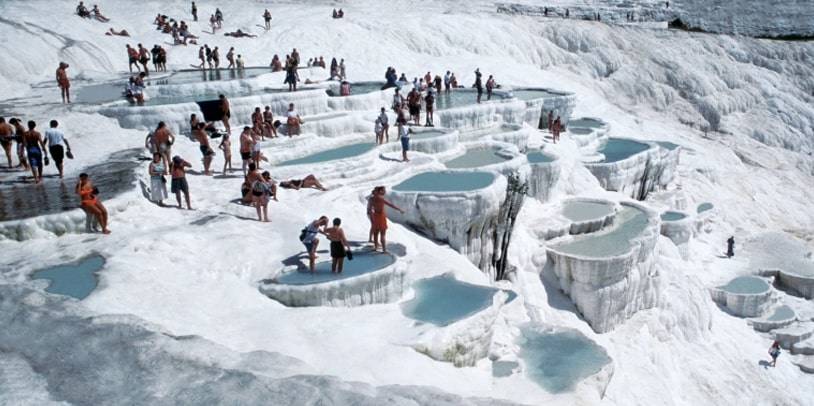
Cotton Castles Barefootplus Travel Turkey
The air in the caves is flushed with carbon dioxide and these were used for religious purpose in ancient times.

. We have more than 20 years of experience in the US market. Pamukkale pronounced pah-mook-kah-leh is called the cotton castle by literal translation of the word Pamukkale in Turkish. Seventeen hot springs range from 35 degrees Celsius to a literally boiling.
Pamukkale or cotton castle. The entire white castle is around 2700 metres long and 600 metres wide. Shimmering travertine covers every inch of the terraces visible from the plains more than ten miles away.
The water that flows out of it is over-saturation of calcium ions and carbon dioxide which forms carbonic acid with water. Pamukkale formed when warm calcium-rich mineral water cascaded down and as it cooled settled on the edge of the cliff. Travertine is formed when calcium carbonate minerals encounter the surface hardening into a gel and later into peculiar and mysterious white stones.
12th of May 2016 - ameira. It is so large that locals see it from hills on the valleys opposing side 20 kilometres away. Its the travertine that gave Turkeys famous thermal pools their name.
Travertine Terrace in Pamukkale or the Cotton Castle is one of the most iconic tourist spots in Turkey. We keep a warehouse in the US and we can ship POE or FOB. Turkeys Cotton Castle.
Pamukkale in Aegean Turkey is also called the Cotton Castle because of the white cottony appearance of the mineral bath spas that abound the province which is rich in calcium. Pamukkale is home of the famous gleaming white calcium terraced pools. It drips down the cliffs and between pools like candle wax hanging like long shreds of cotton.
In 1890 local stone contractor John Tennant decided to build himself a new home after striking a deal. Known as a spa town since the Roman era tourists travel to Pamukkale to relax in warm soothing and therapeutic waters in the myriad spas. Sadly it is also vanishing.
The Turks call it the cotton castle because of the similarities that these white mountain slopes have with the cotton plantations that are cultivated in central Turkey. Formed by mineral water from hot springs deposited calcium carbonate slowly crystalises over time. This area is commonly referred to as the Cotton Castle.
Pamukkale meaning cotton castle in Turkish is a natural site in Denizli Province in southwestern TurkeyThe area is famous for a carbonate mineral left by the flowing of thermal spring water. The area was named Pamukkale because wellit resembles a castle made of cotton The whiteness of the rocks and the white waterfalls give it an appearance of snow-covered cotton cushions. The calcium built natural shelves and pools on the cliffs known as travertines.
Pamuk means cotton and Kale means castle. Ever yearned to bathe in an infinity pool looking up at a cerulean Aegean sky and down at 2000-year-old Roman and Greek antiquities. The Turkish Cotton Castle.
In the second century BC the ancient Greco-Roman city of Hierapolis was built atop the terraces of travertine a type of rock that forms when calcium. The formation of the cotton castle is a handiwork of 2 elements water and earth. This area is known for mineral deposits and is also a popular tourist destination.
This are is commonly referred to as the Cotton Castle. The opaque chalk cliffs above Pamukkale Turkey are natures answer. Near the turn of the twentieth century a booming cotton industry was quickly establishing Waco as one of the major urban centers of the South encouraging many residents to more readily invest and spend their money locally.
A World Heritage Site is one that is declared by UNESCO as having cultural historical scientific or other form of significance. They shimmer from a distance hang down from the cliffs and hang like long pieces of cotton between pools. More about the castle.
Since thousand of years the water got colder and solid as it got farer from the calcareous hot water source and formed the travertine terraces in the shape of floors and stepsThere is radon gas in Pamukkale Travertine and this gas has a relaxing. The Cotton Castle is located in a place called Denizli Province in the South Western part of Turkey. This elaborate white castle sprawls more than a mile 8860 feet 2700 m across the hillside.
While the ruins of the Hierapolis city garner a. Tectonic movements have allowed the birth of numerous thermal springs. Pamukkale which in Turkish means cotton castle is a natural site in southwestern Turkey 19 km north of Denizli.
It is located in Turkeys Inner Aegean region in the River Menderes valley which has a temperate climate for most of the year. Making up Cotton Castles terraces is travertine. Tectonic movements have allowed the birth of numerous thermal springs.
October 9 2021 JPEG. Fine Home Textiles Made in Turkey. We are The Cotton Castle a textile manufacturing and sourcing company specializing in high quality home textiles such as bath towels kitchen towels throws and bedding.
In fact these are hard rocks. Evolutionary geologists say it formed slowly over tens of thousands of years as chemicals in the water precipitated out. Its blazing white stones really do look like a magical castle floating in the clouds.
The ancient Greek city of Hierapolis was built on top of the. The hot springs and thermal pools at Pamukkale Turkey have been a spiritual cultural and recreational destination for thousands of years. The Cotton Castle.
The Great Barrier Reef formed in 8000 years is expected to remain in less than 100 years due to climate change serious water pollution and ocean acidification. A historical site health. The calcium built natural shelves and pools on the cliffs known as travertines.
How was Pamukkale formed. Pamukkale formed when warm calcium-rich mineral water cascaded down and as it cooled settled on the edge of the cliff. The name Cotton Castle is the literal translation from Turkish.
Amid these white and shining terraces some caves are also formed in a natural way. How Did It Really Happen. Pamukkale which in Turkish means cotton castle is a natural site in southwestern Turkey 19 km north of Denizli.
The water that flows out of it is over-saturation of calcium ions and carbon dioxide which forms carbonic acid with water. The surrounding ruins that formed the ancient city Hierapolis can be admired from the pools and visitors can enjoy the views of the ruins that once formed the temples bath-houses and theatre of the Greek-Roman city that once served as a spa and treatment centre before growing to become a city in its own right. This is Pamukkale Turkish for Cotton Castle located in the Denizli province of southwestern Turkey and formed over a period of 14000 years.
Worldly famous Pamukkale also called cotton castle is located at the southern banks of the Hierapolis Ancient City in Turkey. And we can testify it really. Formed by the elevated concentration of calcium carbonate deposits flowing down from the.
You are welcomed to take a dip in the waters of the Pamukkale Thermal and enjoy the.

5 Facts About Pamukkale Turkey S Cotton Castle Globonaut
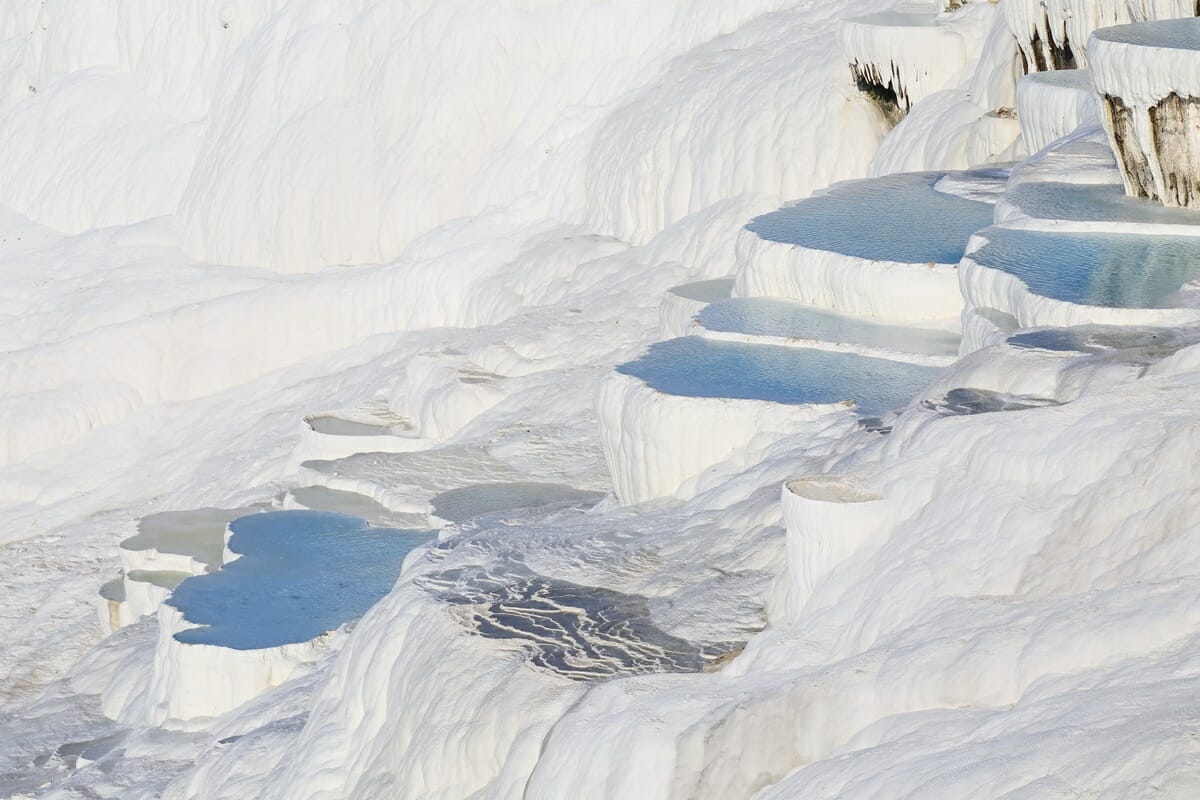
Overtourism In Pamukkale Is It Worth Visiting Turkey S Cotton Castle Yoga Wine Travel
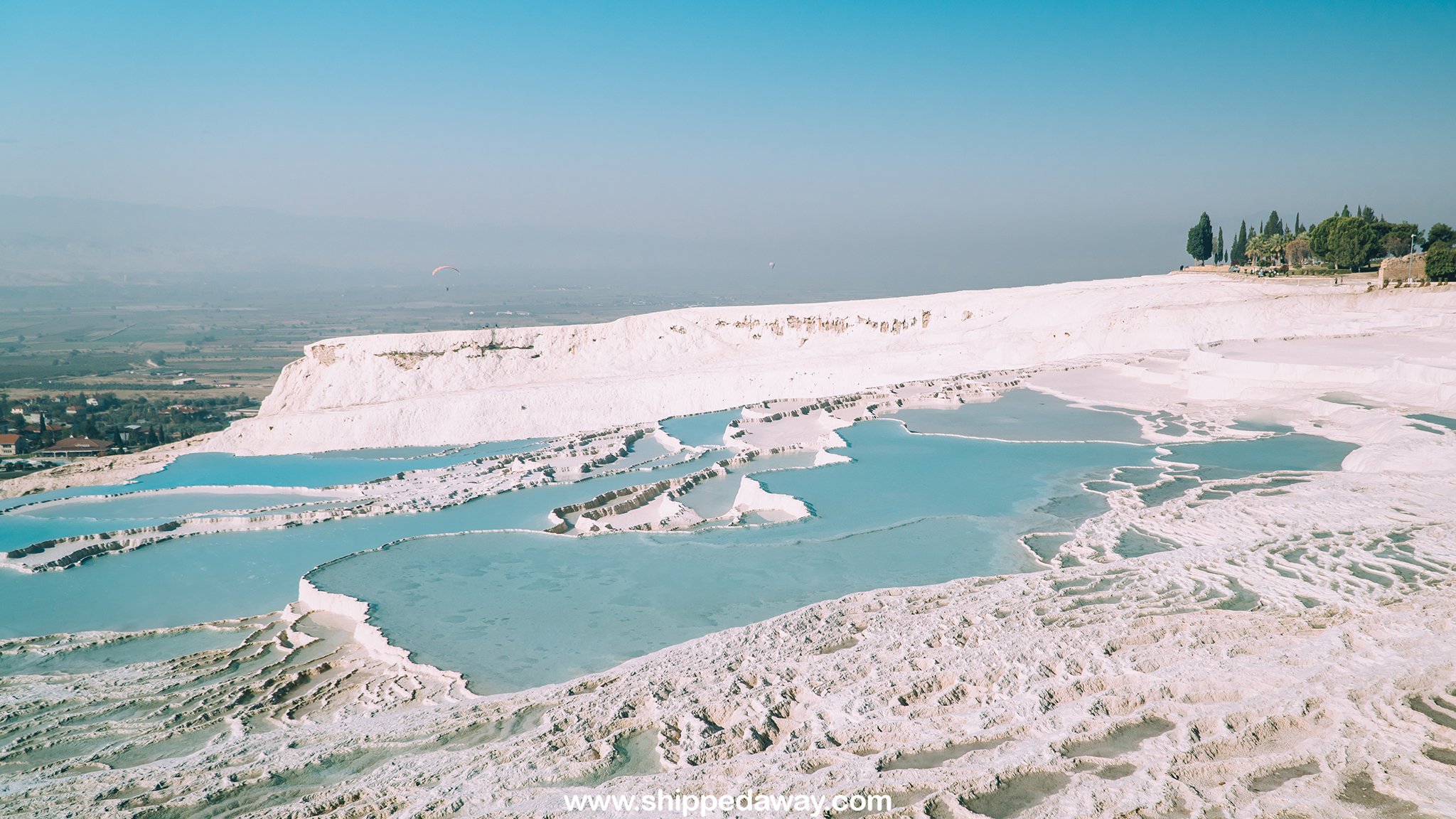
Pamukkale Ultimate Guide To Turkey S Cotton Castle Shipped Away

Pamukkale The Cotton Castle In A Mess Of Limestone And Healing Waters Ststw

5 Facts About Pamukkale Turkey S Cotton Castle Globonaut
Pammukale Turkey Hot Springs Formed Out Of Calcium Deposits Translation Means Cotton Castle Thus Wh Wonders Of The World Places To Travel Places To Go

Hierapolis And Cotton Castle Tour Maker Turkey

Pamukkale Cotton Castle Turkey Alineport Com

The Cotton Castle And Its Elixir Of Youth Pamukkale

Pamukkale Things To Do

Pamukkale The Cotton Castle In Turkey Travels Travels

The Marble Stairs Of Heaven On Earth Pamukkale
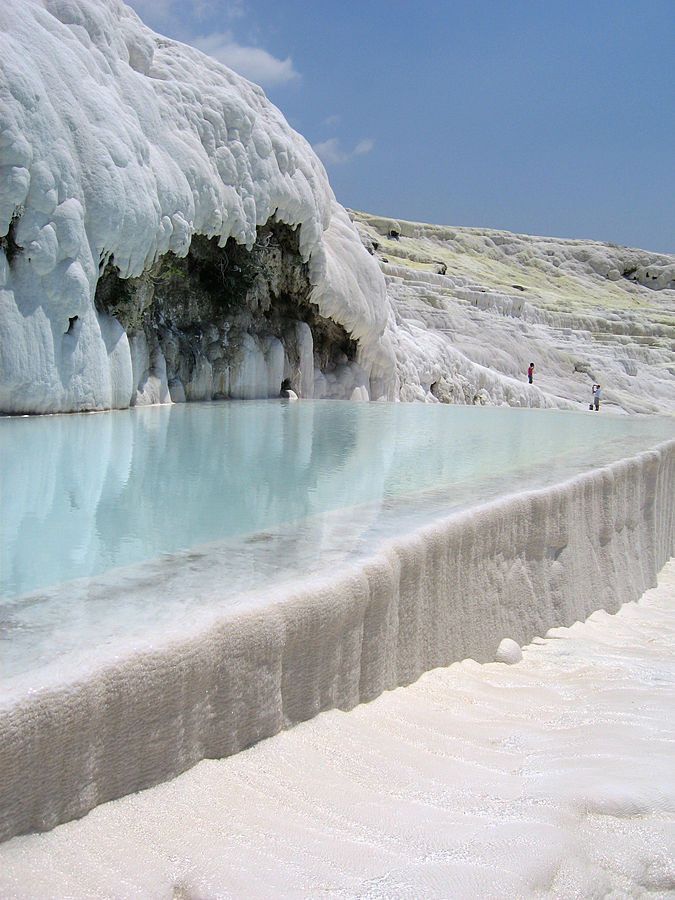
Pamukkale The Impressive Turkish Thermal Springs Cotton Castle
Pamukkale Turkey Meaning Cotton Castle In Turkish Its Cascading White Terraces Are Made Of Travertine A Carbonate Sedimentary Rock Deposited By Water From The Hot Springs R Interestingasfuck
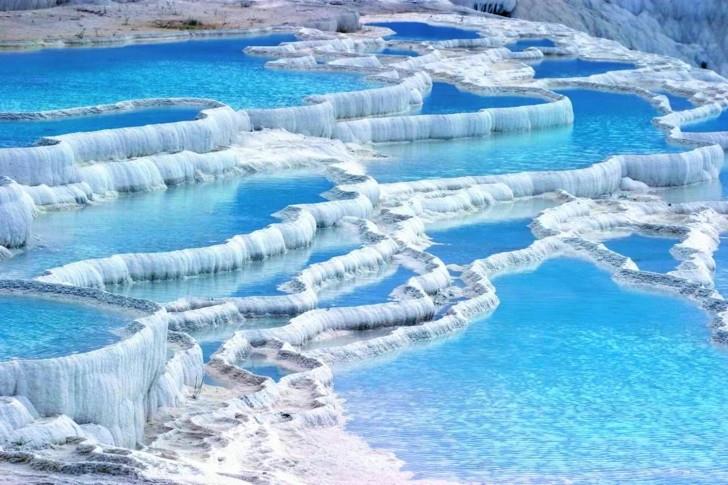
Explore The Cotton Castle Of Turkey Pamukkale
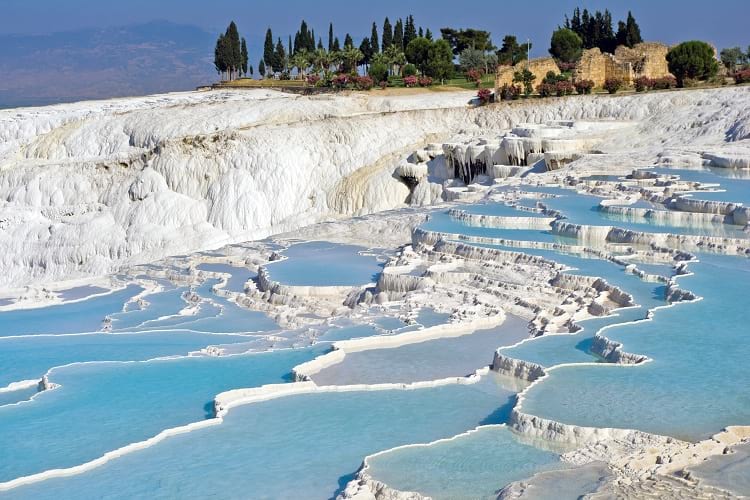
Pamukkale The Cotton Castle In A Mess Of Limestone And Healing Waters Ststw

5 Facts About Pamukkale Turkey S Cotton Castle Globonaut

The Cotton Castle And Its Elixir Of Youth Pamukkale
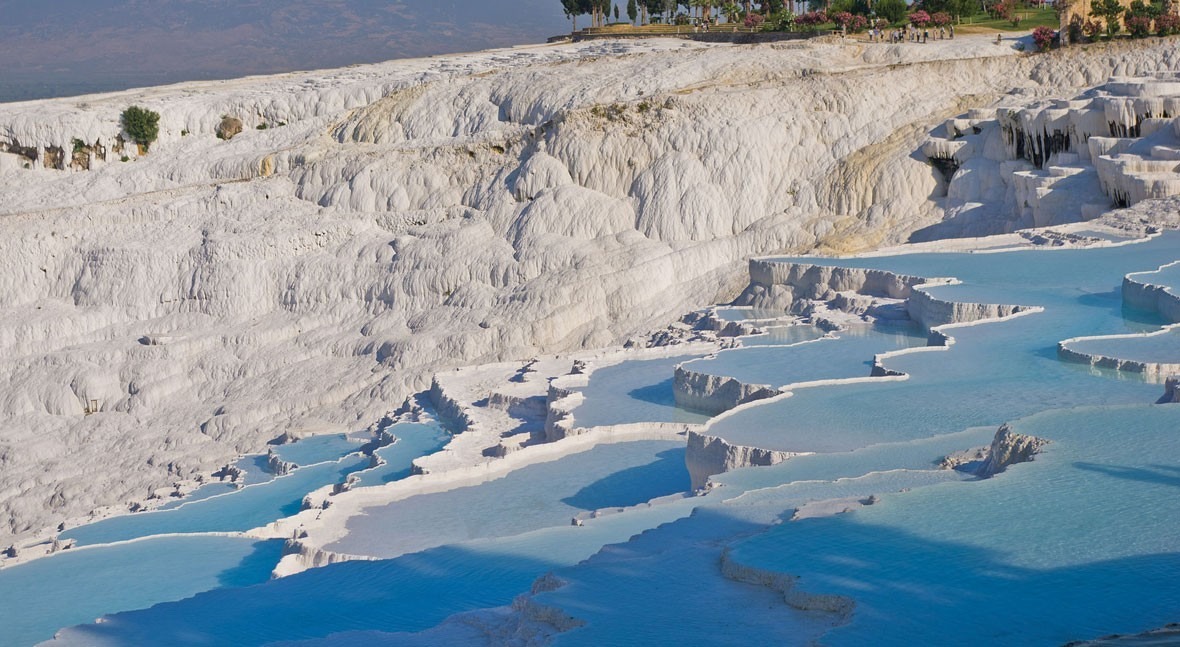
Pamukkale The Impressive Turkish Thermal Springs Cotton Castle


